Avocado Toast and Anchor Tenants: How Millennials Are Quietly Rewriting the Rules of Local Business
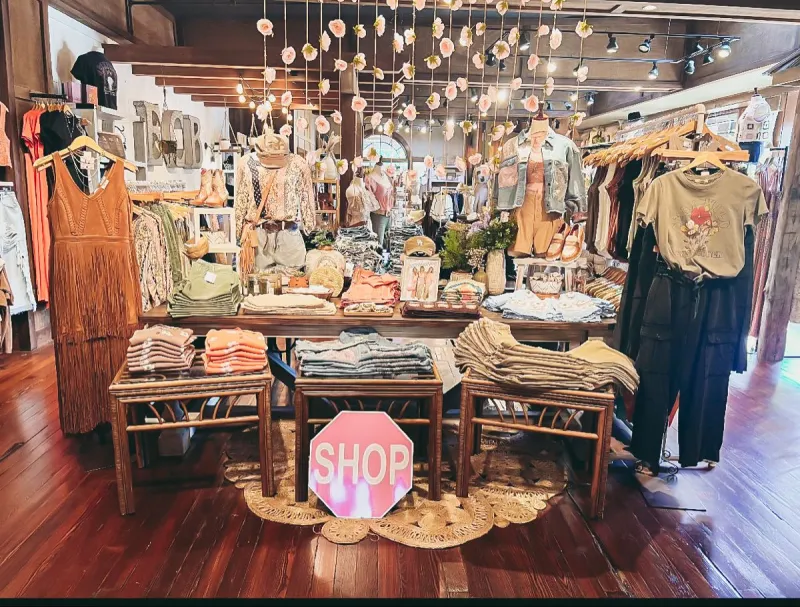
Photo: millennial small business owner trendy boutique storefront, via i.pinimg.com
For a generation that supposedly killed everything from casual dining to fabric softener, millennials are doing something unexpected: they're opening shops. Real ones. With actual storefronts, hand-painted signs, and — yes — lines out the door on Saturday mornings.
But the businesses they're building don't look much like the ones they grew up with. And the way they're using Main Street? That's different too.
It's Not Just a Store. It's a Statement.
Walk through a revitalized downtown corridor in cities like Asheville, North Carolina, or Bozeman, Montana, or even mid-sized Midwest towns like Kalamazoo and you'll notice something. The most buzzed-about new businesses aren't just selling products. They're selling a feeling, a set of values, a reason to show up in person when literally everything is available online.
Take the wave of hybrid retail spaces that have popped up over the last five years. Part coffee shop, part boutique, part community bulletin board — these places are designed to be used, not just shopped. Millennials, now ranging from their late 20s to early 40s, grew up watching big-box stores hollow out their hometowns. Many of them have no interest in replicating that model, even at a smaller scale.
"We wanted people to come in and stay," says one co-owner of a plant shop and event space in a mid-sized Ohio city who asked to remain anonymous. "If someone spends two hours here and only buys a $12 succulent, that's still a win. They'll be back. They'll tell people."
That philosophy — prioritizing experience and community over pure transaction volume — is either a brilliant long-term play or a financial tightrope walk, depending on who you ask.
Pop-Ups, Collectives, and the Death of the Solo Storefront
One of the most visible shifts millennials have brought to local commerce is the rise of shared and rotating retail formats. Pop-up markets, maker collectives, and co-retail spaces have become staples of downtown revitalization efforts across the country.
Instead of one business taking on the full burden of a commercial lease — which, as we've covered, can be brutal in today's market — groups of small vendors pool resources, share foot traffic, and rotate in and out of spaces. It keeps overhead manageable and keeps the storefront itself feeling fresh.
For landlords sitting on empty properties, these arrangements have become increasingly attractive. A rotating cast of local vendors is better than a vacant window any day of the week.
The model also fits the millennial entrepreneurial reality. Many of the people running these micro-businesses are doing so as a side hustle alongside a day job, or they're testing a concept before committing to a full lease. Pop-ups lower the barrier to entry and give entrepreneurs real-world feedback without betting the farm.
Critics, though, point out that pop-ups don't always translate into permanent anchors. A vibrant Saturday market doesn't necessarily mean a thriving Tuesday afternoon. For Main Street to truly recover in economically stressed areas, the argument goes, you need businesses that are open five or six days a week, year-round.
The Social Media Factor — For Better and Worse
Millennial business owners are, almost by default, fluent in social media. That's both a superpower and a trap.
On the upside, a well-photographed storefront or a genuinely engaging Instagram presence can drive foot traffic that a Yellow Pages ad never could. Small businesses run by millennials often build real audiences before they even open their doors — drumming up anticipation, telling their origin story, showing the behind-the-scenes chaos of getting a space ready.
But social media also creates pressure to perform aesthetics over substance. The "Instagrammable" interior becomes a priority. The neon sign gets budgeted before the point-of-sale system. And businesses that look great online can struggle to deliver an experience that justifies the in-person trip.
There's also the volatility problem. A business that rides a viral moment to packed weekends can find itself scrambling when the algorithm moves on. Sustainable local commerce requires repeat customers and community loyalty — not just a spike in followers.
The millennial entrepreneurs who seem to be thriving are the ones who use social media as a tool rather than a strategy. They show up online consistently, but they're not dependent on going viral to pay rent.
Sustainability Isn't Optional Anymore
Ask almost any millennial business owner why they started their company and sustainability will come up within the first three minutes. This isn't just marketing language — it shapes real decisions about suppliers, packaging, store hours, and staffing.
For consumers in this demographic, buying local has always carried an ethical weight that goes beyond convenience or price. It's about carbon footprints, fair wages, supply chain transparency, and keeping money circulating in the community. That mindset, when it shows up in the people actually opening businesses, creates a different kind of Main Street.
Locally sourced inventory, zero-waste packaging, living wages for part-time staff — these commitments cost money. They're part of why locally owned businesses often carry higher price tags. But for a generation that has been vocal about putting values ahead of pure convenience, it's also part of the pitch.
Whether the broader consumer base — including older shoppers and lower-income households — buys into that pitch is another matter entirely.
Revitalization or Just Another Trend?
Here's the honest question: Is what millennials are building on Main Street a durable new model, or is it a moment that'll fade when economic pressures tighten?
The optimistic read is that this generation is creating a genuinely different commercial culture — one that values experience, community, and ethics alongside profit. The collaborative formats, the transparency, the emphasis on local sourcing — these aren't just aesthetic choices. They reflect a real rethinking of what a business is supposed to do for its neighborhood.
The skeptical read is that a lot of this works in specific conditions: mid-sized cities with growing young professional populations, neighborhoods already on an upswing, and consumer bases with enough disposable income to pay a premium for values-aligned purchasing. In towns where the economy is genuinely struggling, the pop-up-and-experience model may not have the economic mass to move the needle.
The truth is probably somewhere in the middle. Millennial entrepreneurs are bringing genuine innovation and energy to local commerce. Some of what they're building will last. Some won't. That's true of every generation that's tried to make something work on Main Street.
What's clear is that they're not waiting around for a big-box anchor or a national chain to save their downtowns. They're showing up, getting their hands dirty, and figuring it out in real time.
For a Main Street that's spent the last two decades being told it was dying, that energy is worth something — even if the jury's still out on exactly what it'll build.