When Political Unrest Goes Viral: What Social Media Chaos Means for Main Street Business Owners
Turn on the news. Open Twitter — or X, or whatever we're calling it this week. Scroll for thirty seconds. Odds are pretty good you'll find someone screaming about something happening in Washington, D.C. And while the outrage machine churns at full speed online, somewhere in a small town in Ohio or a downtown strip in Georgia or a side street in New Mexico, a shop owner is staring at a slow Tuesday wondering why their regulars didn't show up.
The connection isn't always obvious. But it's real.
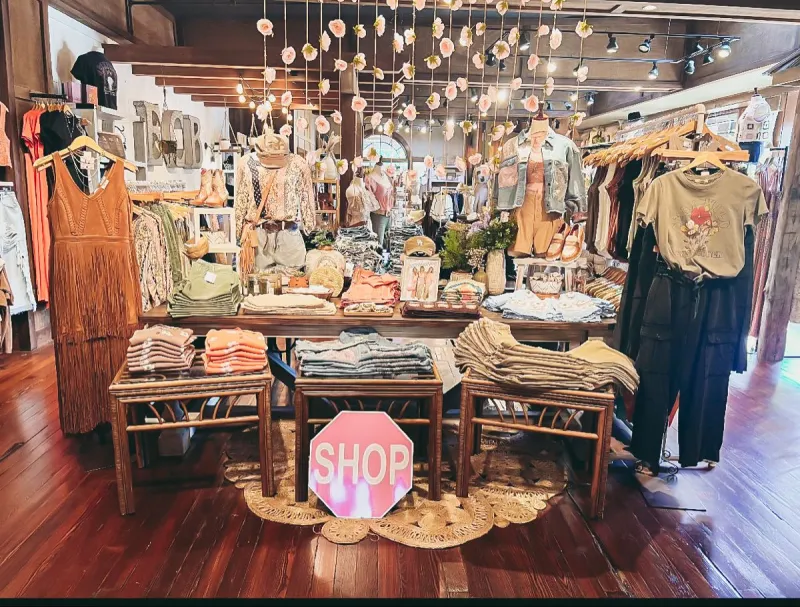
Every time political tension boils over — whether it's protests, unrest, contested elections, or just another week of viral outrage on social media — small businesses absorb the shockwaves in ways that rarely make the headlines. Nobody's doing a thread about how the boutique on Elm Street lost 40% of its weekend foot traffic because people were glued to their phones watching D.C. implode on live video.
But that's exactly what happens.
The Attention Economy Steals From Local Commerce
Here's the blunt truth: when national news dominates the conversation, people stop paying attention to local life. They cancel dinner plans. They skip the farmers market. They doom-scroll instead of window-shop. For businesses that depend on consistent weekend traffic and community engagement, a major news cycle — especially one involving civil unrest or political chaos — is like a slow leak in the tire. You don't crash immediately, but you're going to feel it.
Social media amplifies this effect enormously. When something explodes on Twitter or Facebook or TikTok, it doesn't just inform — it consumes. People aren't just reading the news anymore; they're participating in it, arguing in comment sections, sharing takes, watching live streams. That's hours of attention that used to go toward, say, walking into a local coffee shop or browsing a hardware store.
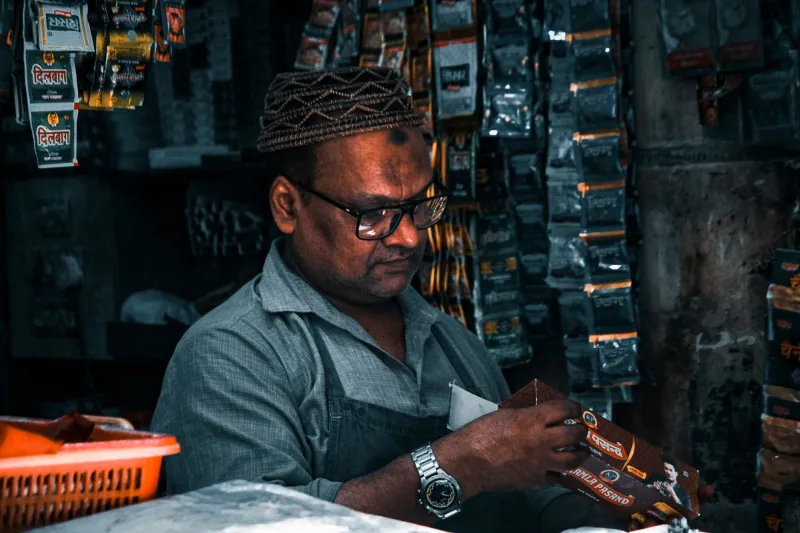
Small business owners don't have the marketing budgets to compete with a national news event for eyeballs. They just have to wait it out.
Safety Concerns Ripple Far Beyond the Epicenter
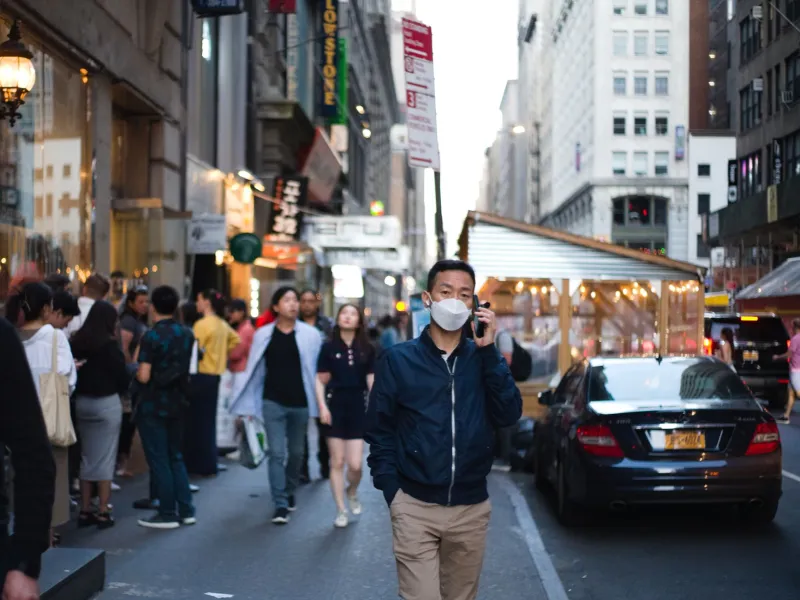
When unrest hits Washington, D.C. — or any major city — the fear doesn't stay contained to that zip code. Social media spreads images and narratives fast, and not always accurately. A business owner in a mid-sized Midwestern city might find that their customers are suddenly nervous about going out, even though their town is perfectly calm.
This is the perception problem that local commerce has battled for years, and social media makes it worse. When protests or civil disturbances dominate the national feed, some customers assume the chaos is everywhere. They stay home. They order delivery. They put off that shopping trip.
For businesses that were already running on thin margins — and after the past few years, that's a lot of them — a few slow days can mean the difference between making payroll and having a very uncomfortable conversation with your employees.
Supply Chains Don't Love Political Instability Either
Beyond foot traffic, there's the supply side to worry about. Major civil unrest near the capital or in large metro areas can create logistical headaches that trickle down to small business owners in surprising ways. Freight routes get disrupted. Vendors delay shipments. Wholesale partners go into wait-and-see mode.
It sounds dramatic, but it doesn't take a full-blown crisis to create friction in a supply chain that's already been stretched thin since the pandemic reshuffled everything. A few days of instability in a major distribution hub can mean a local retailer doesn't get their spring inventory on time, or a restaurant can't source a key ingredient for their weekend specials.
These aren't hypotheticals. Talk to any small business owner who's been around long enough, and they'll tell you about the time some national event — a hurricane, a political crisis, a major strike — quietly wrecked their month without ever touching their town directly.
The Social Media Pile-On and the Local Business Caught in the Middle
There's another dimension to this that doesn't get enough attention: the way political social media culture can turn on local businesses almost by accident. In a highly charged political environment, businesses that say the wrong thing — or nothing at all — can find themselves in the crosshairs of an online mob.
Some shop owners have learned the hard way that staying silent on a major political moment gets them labeled as complicit by one side, while speaking up gets them boycotted by the other. It's an impossible position, and it's one that national brands with PR teams and crisis communications staff can navigate far more easily than a family-owned hardware store with a Facebook page.
The advice from business consultants who work with small retailers is pretty consistent: stay focused on your community, not the national conversation. Post about your products, your people, your neighborhood. Let the cable news fight play out without you whenever possible.
Easier said than done when your customers are asking you to take sides.
What Resilient Main Street Businesses Are Actually Doing
The small businesses that weather political turbulence best tend to share a few common traits. They've built deep local loyalty that doesn't evaporate every time the national mood shifts. They communicate directly with their customer base — through email lists, local community groups, and old-fashioned word of mouth — rather than relying on social media algorithms that can bury them when a bigger story takes over.
They also tend to be honest with themselves about the business cycle. Slow weeks happen. Not every slow week is a crisis. Keeping enough cash reserve to absorb a few rough days without panicking is the kind of boring, unglamorous financial discipline that separates businesses that survive from ones that don't.
And increasingly, savvy local business owners are leaning into hyperlocal identity as a buffer against national noise. When your customers feel genuinely connected to your store — when they know your name, when you know their kids, when your shop feels like part of the neighborhood fabric — they're more likely to show up even when the world outside feels chaotic.
The Takeaway for Main Street
Political unrest is loud. Social media makes it louder. And the noise has real consequences for local commerce that rarely get acknowledged in all the shouting.
But Main Street has survived a lot of loud moments. The businesses that make it through are the ones that keep their eyes on their own block, take care of their people, and remember that the community around them is more durable than any news cycle — no matter how wild it gets online.