They Knew and Said Nothing: Why a Washington Scandal About Who Knew What Lands Harder on Main Street Than Anyone Expected
There's a version of this story that stays inside the Beltway: a founder of a prominent anti-Trump political group, a wave of allegations about inappropriate messages sent to young men, and a slow-burning argument over which newsrooms heard about it and when. It reads like political inside baseball, the kind of thing that fills a Sunday show panel and then evaporates.
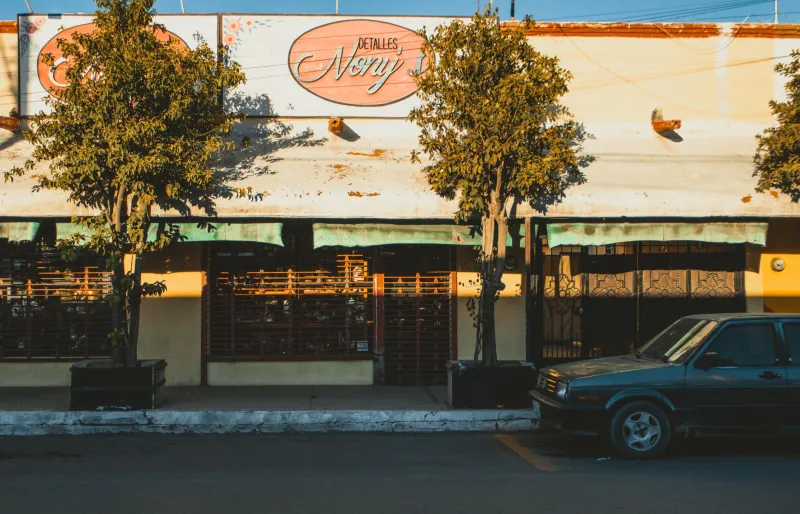
Except that's not how it plays on Main Street.
For shop owners, the takeaway isn't partisan. It's practical. When a story this uncomfortable sits unresolved for years, it chips at something small businesses depend on every single day: the assumption that the information customers and owners act on is roughly trustworthy.
What the Allegations Actually Were
To be clear about the record: John Weaver, a co-founder of the Lincoln Project — the group of Republican strategists who broke with Donald Trump — was publicly accused in early 2021 by multiple young men of sending them sexually explicit messages and, in some accounts, of propositioning them. Some of the accusers said they were minors at the time of the contacts.
Weaver apologized at the time for messages he characterized as inappropriate, said he had believed the conversations were consensual, and denied being a predator. The Lincoln Project said it had investigated and condemned his conduct, and stated that it had referred the matter to law enforcement. As of this writing, no criminal charges against Weaver have been publicly announced.
That is the factual outline. Everything else — who was told, who sat on it, who chose to look away — is where the argument lives, and it's the part that keeps pulling the story back into the news cycle years later.
The 'Media Knew' Question Won't Go Away
The persistent thread in this saga, and the reason people keep searching for it long after the original headlines faded, is the claim that journalists and political operatives had warnings well before the story broke publicly. That's the accusation that stings, because it's about the machinery of trust rather than the conduct of one man.
There's a real journalistic defense here, and it deserves airing. Reporting on allegations of this kind is genuinely difficult. Accusers are often reluctant. Sources have motives. Legal review is slow. Outlets can be wrong in both directions — publishing too fast and publishing too slow both cause harm. Any editor who has handled a story like this will tell you the anxiety is real.
But there's a counterargument that's equally real, and it's the one you'll hear at a counter in a hardware store or a diner booth: when a story that clearly matters takes years to fully surface, ordinary people conclude that the delay wasn't caution. It was preference. Whether or not that's fair, it's what a lot of readers now believe — and belief is the only currency media has.
Why a Washington Story Matters on Main Street
Here's the part that rarely makes it into the political coverage. Small business owners are, by necessity, aggressive consumers of local news. They read the paper for the zoning meeting, the road project, the school board budget, the county fair schedule. They advertise in it. They sponsor the Little League team the paper covers. Their entire marketing budget assumes that the outlet delivering their message is at least broadly credible to their neighbors.
So when trust in media institutions erodes nationally, it doesn't stay national. It trickles down to the weekly paper and the local radio station and the community newsletter, which now carry a burden they didn't create: proving, every single day, that they aren't part of whatever the customer just read about on their phone.
We've seen this movie before. It's the same dynamic that hits Main Street when a big national brand gets caught in a scandal and shoppers reflexively get suspicious of everyone in the category. The local operator pays for the sins of the distant one.
Reputation Is the Only Asset Most Small Businesses Really Own
Ask a Main Street owner what their most valuable asset is and they'll usually say the building or the customer list. The honest answer is reputation — the accumulated belief among a few thousand people that this business does what it says it will do.
That asset is built slowly and destroyed quickly, and it's destroyed fastest when the people holding it feel like they were deceived. That's the real lesson of a story about who knew what and stayed quiet. The conduct is one problem. The cover is another, and it usually does more damage — a fact any owner who's ever tried to paper over a bad batch or a botched job already understands in their bones.
The Advertising Question Nobody Wants to Ask
There's a quieter business story buried in all this. Political organizations like the Lincoln Project raised and spent enormous sums, much of it on digital advertising and media placement. That money flowed through the same ad ecosystem that local businesses buy into, and it pushed costs and clutter up for everyone downstream.
When those organizations implode under scandal, the fallout isn't just reputational. It's a reminder that local businesses are competing for attention in a marketplace increasingly shaped by actors with no stake in the community. The shop owner buying a $400 ad package isn't just bidding against the hardware store across the street anymore.
What Owners Can Actually Take From This
A few things worth writing down.
Audit who carries your message. If you advertise, sponsor, or partner, know what that outlet's credibility looks like to your customers, not to you. Ask a handful of regulars. You'll learn more than any media kit will tell you.
Get ahead of your own bad news. The businesses that survive a mess are almost never the ones that handled it best. They're the ones that said something first. Delay reads as deception, every time.
Don't confuse silence with safety. This applies to vendors, partners, and employees as much as it does to national political committees.
Invest in the local stuff. The weekly paper, the community radio station, the high school booster program. It's not nostalgia. It's the only information ecosystem where your business is a stakeholder rather than a bystander.
The Bottom Line
The Lincoln Project story is, on its surface, about politics. Underneath, it's about the price of staying quiet — and about what happens to institutions, and the small businesses that lean on them, when people stop believing that silence means caution.
Main Street has always run on a simple contract: you do right by people, and they come back. Every institution that breaks that contract makes it a little harder for the rest of us to be believed. That's not a partisan point. It's just the cost of doing business.